Everything Needed To Know About Commercial HVAC Installation
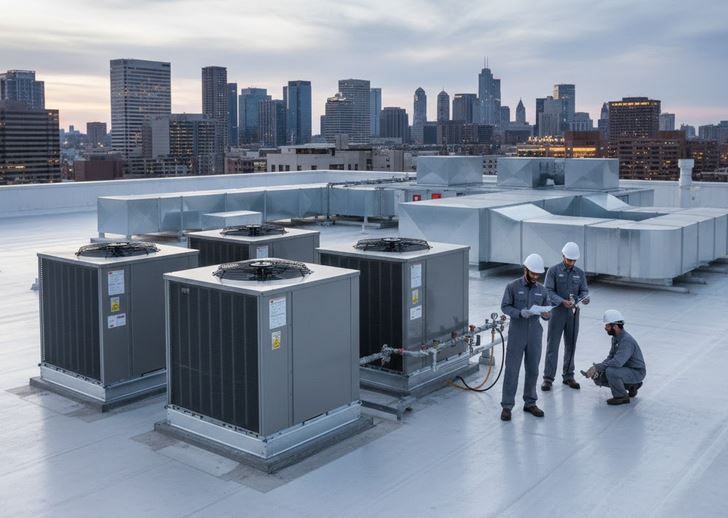
Commercial HVAC installation is a significant undertaking that impacts everything from energy efficiency and indoor air quality to operational costs and tenant comfort within your business space. Unlike residential systems, commercial HVAC is complex, requiring specialized knowledge and precise execution to ensure optimal performance. Whether you're constructing a new building, expanding an existing facility, or replacing an outdated system, understanding the key aspects of commercial HVAC installation is crucial for making informed decisions.
Here’s everything you need to know about commercial HVAC installation:
1. Understanding Commercial vs. Residential HVAC
The first step is recognizing the fundamental differences between commercial and residential HVAC systems.
Scale and Complexity: Commercial systems are much larger, more powerful, and handle greater heating and cooling loads for larger spaces with more occupants. They often involve multiple zones, complex ductwork, and sophisticated control systems.
System Types: While residential often uses split systems or furnaces, commercial buildings might utilize rooftop units (RTUs), chillers, cooling towers, variable refrigerant flow (VRF) systems, or even geothermal systems.
Regulations and Codes: Commercial installations must adhere to stricter building codes, energy efficiency standards, and safety regulations (e.g., ASHRAE standards, local fire codes) compared to residential setups.
Load Calculations: Determining the correct size and capacity for a commercial system is far more intricate, considering factors like occupancy, building materials, window types, heat-generating equipment, and specific business needs.
2. Key Stages of Commercial HVAC Installation
A successful commercial HVAC installation typically follows a structured process:
Initial Assessment & Design:
Needs Analysis: Understanding the specific requirements of the business, including temperature zones, air quality needs, future expansion plans, and budget.
Load Calculation: Precisely determining the heating and cooling loads to size the equipment correctly. This is critical to avoid oversizing (wasting energy) or undersizing (ineffective cooling/heating).
System Selection: Choosing the appropriate type of HVAC system (e.g., RTU, VRF, chiller) based on the building's design, climate, and operational goals.
Ductwork Design: Planning the optimal layout and sizing of ductwork for efficient air distribution.
Permitting: Obtaining all necessary local and state permits before construction begins.
Equipment Sourcing & Delivery: Ordering and receiving the selected HVAC units, ductwork, controls, and other components. This requires careful logistics planning due to the size and cost of commercial equipment.
Installation:
System Placement: Positioning outdoor units (like RTUs on rooftops or chillers on ground level) and indoor air handlers.
Ductwork Installation: Assembling and sealing the extensive network of ducts throughout the building.
Refrigerant Line Installation: Connecting refrigerant lines between indoor and outdoor units, often requiring specialized brazing and leak testing.
Electrical Wiring: Integrating the HVAC system with the building's electrical supply, ensuring proper power connections and safety.
Control System Integration: Installing thermostats, sensors, and sophisticated building management systems (BMS) for precise control and monitoring.
Testing & Commissioning:
System Startup: Powering up the system for the first time.
Performance Testing: Verifying that all components are working correctly and the system is meeting design specifications (e.g., airflow, temperature differentials, pressure).
Balancing: Adjusting airflow to ensure proper distribution and comfort across all zones.
Training: Providing building managers or maintenance staff with training on operating the new system and its controls.
3. Crucial Factors for a Successful Installation
Experienced HVAC Contractor: This is paramount. Choose a contractor with proven commercial experience, proper licensing, insurance, and excellent references. They should understand local codes and have expertise in the specific system type you need.
Energy Efficiency: Prioritize high-efficiency equipment (e.g., high SEER/EER ratings) and features like variable-speed drives to minimize long-term operating costs. Consider energy recovery ventilators (ERVs) for improved air quality and efficiency.
Indoor Air Quality (IAQ): Integrate features like advanced filtration systems (MERV ratings), humidification/dehumidification, and UV lights, especially for businesses where IAQ is critical (e.g., healthcare, food service).
Zoning Capabilities: Implement zoning to allow different areas of the building to be heated or cooled independently, optimizing comfort and saving energy in spaces that aren't always occupied.
Maintenance Accessibility: Ensure the system design allows for easy access for future maintenance and repairs.
Budget & ROI: While initial costs are important, consider the total cost of ownership, including energy consumption, maintenance, and expected lifespan, to calculate your return on investment.
4. Post-Installation: Ongoing Maintenance
Installation is just the beginning. Regular, professional maintenance is vital to:
Preserve Efficiency: Keep the system running at peak performance.
Extend Lifespan: Maximize the longevity of your significant investment.
Prevent Breakdowns: Catch minor issues before they become costly emergencies.
Maintain Warranties: Most manufacturer warranties require documented professional maintenance.
By taking a comprehensive approach to commercial HVAC installation, from meticulous planning and design to expert execution and ongoing maintenance, businesses can ensure a comfortable, efficient, and healthy indoor environment for years to come.