Expert AC Service & Repair: Stay Cool in Florida's Heat
As the Florida summer heat rolls in, your home’s air conditioning system transitions from a convenience to an absolute necessity. Operating a cooling system in high humidity and soaring temperatures puts immense strain on mechanical components. Without regular upkeep and timely interventions, even the most robust systems can falter when you need them most.
Understanding the mechanics of your air conditioner, recognizing the warning signs of impending failure, and knowing when to call in professionals are critical steps in maintaining a cool, comfortable, and energy-efficient home.
The Anatomy of Cool: How Your AC System Works
To appreciate the value of professional air conditioning service, it helps to understand what happens behind the scenes. An air conditioner does not actually create "cool air"—instead, it removes heat and moisture from inside your home and transfers it outdoors.
- The Evaporator Coil (Indoor Unit): Chilled refrigerant circulating through the evaporator coil absorbs heat from the indoor air blowing over it. As the air cools, moisture condenses on the coil, reducing indoor humidity.
- The Compressor (Outdoor Unit): The compressor acts as the heart of the system, pumping the heat-laden refrigerant from the indoor coil to the outdoor condenser unit while raising its pressure and temperature.
- The Condenser Coil (Outdoor Unit): Here, a large fan blows outdoor air across the coil, releasing the trapped heat into the environment. The refrigerant cools down, reverts into a liquid state, and travels back indoors to repeat the cycle.
Because this process relies on a delicate balance of airflow, electrical synchronization, and chemical refrigerant levels, a malfunction in even a minor component can cause a system-wide breakdown.
Common Warning Signs Your AC Needs Professional Service
Air conditioning systems rarely fail without warning. Most major breakdowns are preceded by subtle performance shifts. Recognizing these red flags early can mean the difference between a simple, inexpensive fix and an emergency system replacement.
1. Weak or Insufficient Airflow
If you notice that air is barely trickling out of your vents, or if certain rooms remain uncomfortably warm while others are cold, your system is struggling. This issue is frequently caused by a clogged air filter, a failing blower motor, or leaks within your ductwork that allow treated air to escape before reaching your living spaces.
2. Unusual Noises
While every air conditioner makes a gentle humming sound when starting up and shutting down, loud or unfamiliar noises warrant immediate attention.
- Squealing or Screeching: Often points to a worn-out fan belt or failing motor bearings.
- Banging or Clanking: Usually indicates a loose or broken part inside the compressor or blower assembly.
- Hissing: A classic sign of a refrigerant leak, which requires specialized handling to repair.
3. Frequent Cycling
A typical cooling cycle lasts long enough to bring the home to the desired temperature before turning off. If your system turns on and off rapidly every few minutes—a phenomenon known as short-cycling—it is experiencing severe mechanical stress. Short-cycling can be triggered by faulty thermostats, electrical issues, or an oversized unit.
4. Surging Utility Bills
It is normal for energy costs to rise slightly during peak summer months. However, an unexplained, dramatic spike in your monthly electricity bill indicates that your system is consuming far more energy than necessary to do its job. This drop in efficiency is a clear indicator that components are working overtime due to wear, tear, or lack of maintenance.
The Benefits of Preventative Air Conditioning Maintenance
Many homeowners only think about their HVAC systems when something goes wrong. However, scheduling preventative maintenance before the cooling season peaks offers significant long-term advantages.
Extended Equipment Lifespan
An air conditioner is a major financial investment. Just like a car, regular tune-ups extend its operational life. Cleaning the coils, lubricating moving parts, and tightening electrical connections prevents premature wear, helping your system last well beyond its average 10-to-15-year lifespan.
Enhanced Energy Efficiency
When dirt and debris accumulate on internal components, your AC must work harder to displace heat. Cleaning these vital areas restores optimal thermal transfer, lowering energy consumption and reducing your monthly utility costs.
Improved Indoor Air Quality
Your HVAC system continuously circulates the air you breathe. Over time, dust, pollen, pet dander, and mold spores can gather inside the air handler and ductwork. Comprehensive servicing includes checking and cleaning these areas, ensuring that the air pumped into your home is clean, healthy, and free of allergens.
Preserving Manufacturer Warranties
Most manufacturers require proof of regular professional maintenance to keep equipment warranties valid. If a major component fails during the warranty period, the manufacturer may deny coverage if the system shows signs of neglect. Annual professional check-ups keep your warranty intact and protect you from unexpected out-of-pocket expenses.
What to Expect During a Professional Service Visit
A comprehensive air conditioning service goes far beyond simply swapping out an air filter. When a certified technician evaluates your system, they perform a meticulous multi-point inspection and tune-up, including:
- Refrigerant Level Check: Technicians measure refrigerant pressure to ensure the system is operating at peak thermal efficiency and check for hidden leaks.
- Electrical Inspection: All wiring, relays, capacitors, and contacts are inspected for signs of fraying, corrosion, or overheating to prevent electrical failures or fire hazards.
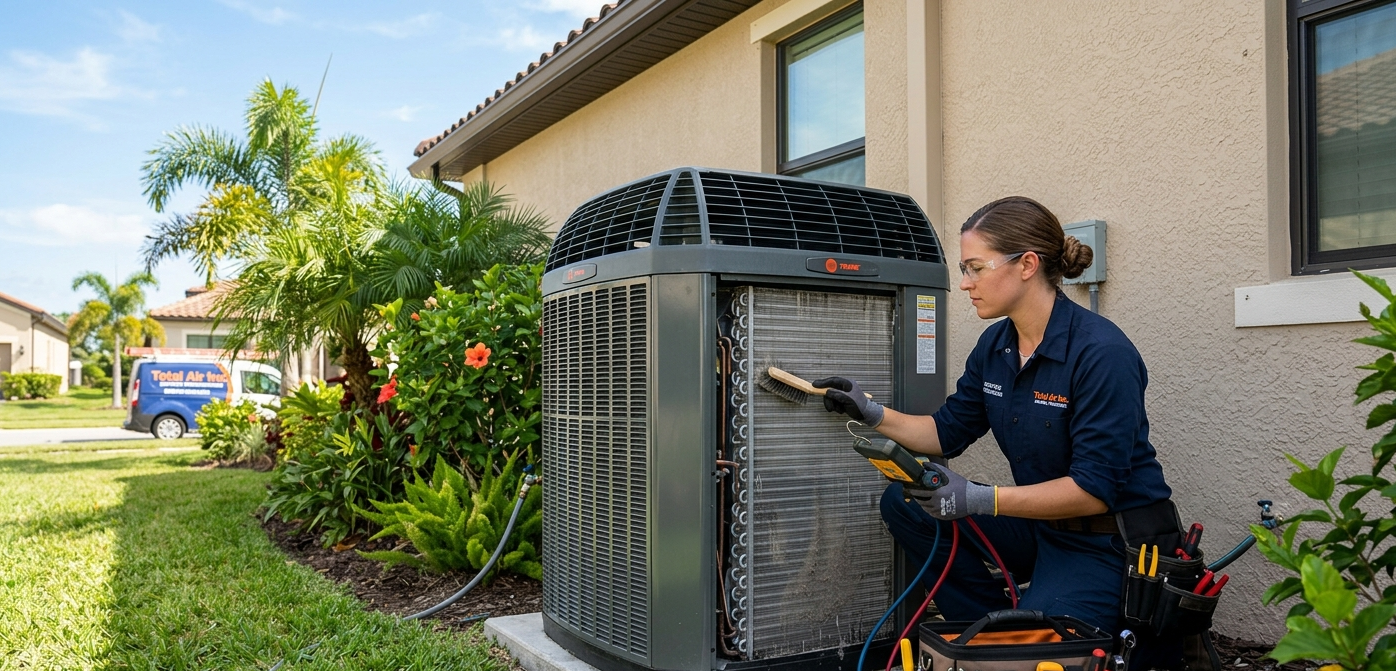
- Coil Cleaning: Accumulations of dust and grime are carefully cleared from both the indoor evaporator coil and outdoor condenser coil to maximize heat exchange.
- Condensate Drain Clearance: The technician inspects and flushes the condensate drain line to prevent algae buildup and blockages that can cause water damage inside your home.
- Component Lubrication: Moving parts, including fan motors and bearings, are lubricated to minimize friction, reduce noise, and lower energy draw.
Choosing the Right HVAC Partner
When it comes to keeping your home safe and comfortable, you need an HVAC company built on a foundation of trust, expertise, and responsive service. Look for a team that utilizes certified, factory-trained technicians who stay up-to-date on the latest cooling technologies, from traditional central split systems to modern ductless mini-splits.
Proactive care is the most reliable way to avoid the stress and discomfort of a mid-summer system failure. Relying on professional diagnostics ensures minor issues are resolved before they escalate into costly repairs. When your home’s comfort is on the line, scheduling a comprehensive air conditioning service protects your investment, lowers your energy costs, and provides peace of mind all summer long.