HVAC Repair and Heating Services in Pinellas Park, FL
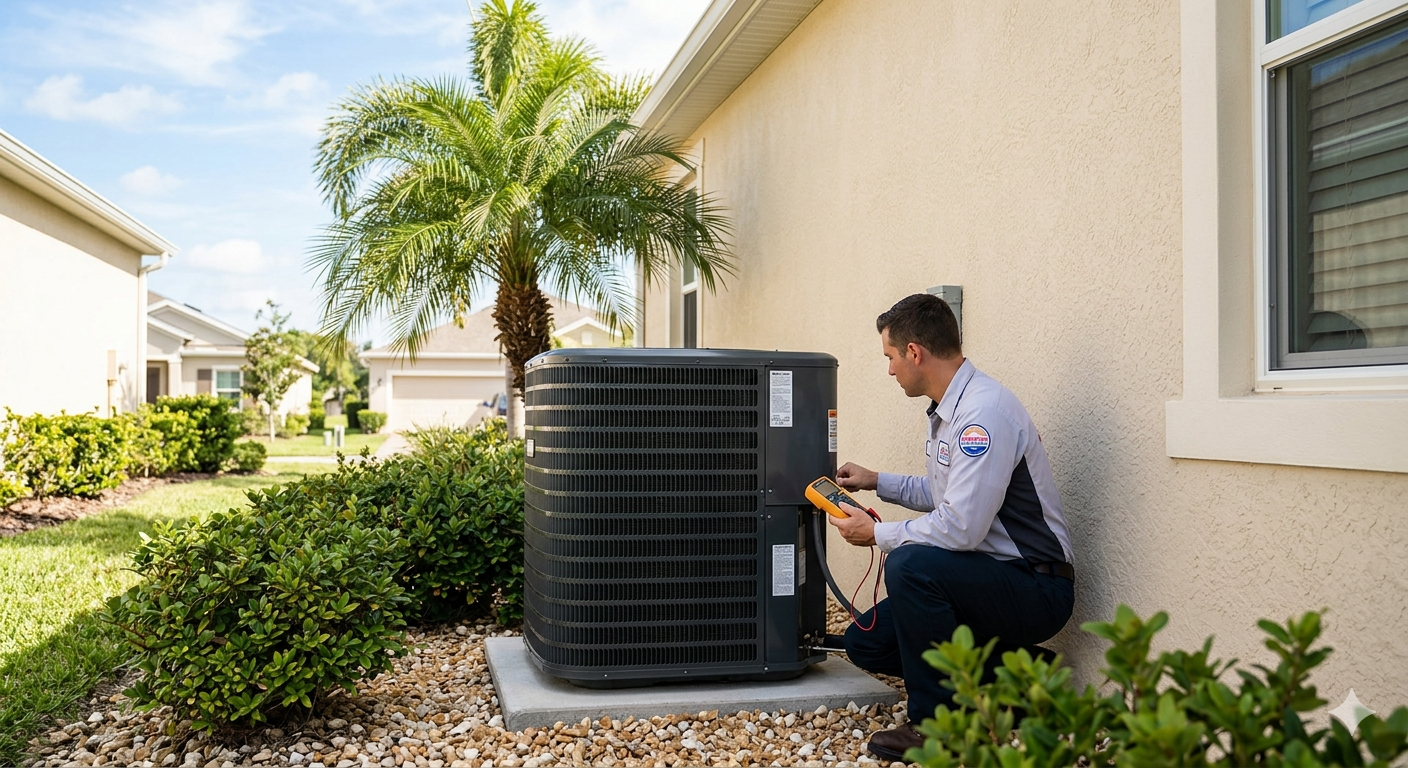
Maintaining a comfortable home in Pinellas Park, Florida, requires a reliable HVAC system capable of handling our unique climate. With high humidity, warm temperatures that last most of the year, and the occasional need for heating during cooler winter days, your air conditioner and heater work hard. Staying on top of routine care and knowing who to call when issues arise is the secret to a long-lasting, efficient, and stress-free home environment.
Understanding Your HVAC System in Florida
In Pinellas Park, your HVAC system isn’t just a luxury—it’s an essential component of your daily quality of life. The combination of salt air, high humidity, and frequent use places significant strain on cooling and heating equipment. Because these systems are complex, they often develop subtle issues that, if ignored, can turn into major, expensive repairs.
Common problems residents face include:
- Refrigerant leaks caused by corrosion in salt-heavy air.
- Dirty condenser coils that force the system to work harder, driving up energy bills.
- Drain line clogs due to algae growth in the humid climate, potentially leading to water damage.
- Electrical component wear, such as failing capacitors, often triggered by power surges during thunderstorms.
If you have been noticing warm air, unusual noises, or a sudden spike in your electricity usage, it is likely time to seek professional Pinellas Park, FL air conditioning and heating services. Addressing these warning signs early can save you from a complete system breakdown during the hottest part of the summer.
The Critical Importance of Professional Maintenance
Many homeowners assume that if their air conditioner is blowing cold air, it is in good health. However, much like a car requires oil changes to prevent engine failure, an HVAC system requires annual tune-ups to maintain efficiency and safety.
Professional maintenance typically includes a comprehensive checklist that ensures your unit is running at peak performance:
- Cleaning the Coils: Dust and debris buildup on evaporator and condenser coils drastically reduces heat transfer, forcing your system to consume more energy to achieve the same result.
- Checking Refrigerant Levels: Incorrect refrigerant levels can damage the compressor—the most expensive part of your unit.
- Inspecting Electrical Connections: Loose connections are a fire hazard and can cause the system to cycle on and off improperly.
- Cleaning/Clearing Drain Lines: This prevents water buildup that can lead to mold growth and interior water damage.
- Calibrating the Thermostat: Ensuring your thermostat is accurate helps the system cycle correctly, preventing unnecessary wear and tear.
By investing in professional maintenance once or twice a year, you extend the lifespan of your unit, ensure your warranty remains valid, and significantly lower your monthly utility costs. A well-maintained system can often last several years longer than one that is neglected.
Repair vs. Replacement: Making the Right Decision
Eventually, even the best-maintained systems will reach the end of their service life. Generally, a system over 15 years old that requires an expensive repair is a candidate for replacement. A good rule of thumb is to multiply the age of the system by the repair cost. If that number exceeds $5,000, replacing the unit with a high-efficiency model is often the more cost-effective long-term investment.
Modern systems offer advanced features that older models lack, including:
- Variable-speed blowers for quieter, more consistent airflow.
- Smart thermostat compatibility for remote management and energy savings.
- Higher SEER2 ratings, which translate to significant monthly energy savings compared to older, less efficient equipment.
Why Quality Installation Matters
Whether you are repairing a current unit or installing a new one, the quality of the workmanship is as important as the quality of the equipment. An oversized unit will cool your home too quickly and fail to remove humidity, while an undersized unit will run constantly without ever reaching the desired temperature. A professional technician will perform a proper load calculation to ensure the new system is perfectly sized for your home’s square footage, insulation, and layout.
Protecting Your Investment
Your home is likely your biggest investment, and your comfort is paramount. By partnering with experienced, licensed, and insured professionals in Pinellas Park, you ensure that your equipment is handled correctly. From emergency repairs in the middle of a hot night to routine seasonal checkups, having a trusted service provider provides peace of mind.
Do not wait for a complete system failure to prioritize your home’s comfort. Schedule your inspection today to catch minor issues before they escalate, improve your indoor air quality, and enjoy the cooling reliability that your family deserves.
Frequently Asked Questions
How often should I change my air filter? For most homes in Pinellas Park, you should change your air filter at least every 90 days. If you have pets, live on a dusty road, or have allergy sufferers in the home, you may need to replace it every 30 to 60 days to ensure proper airflow.
What are the signs that my AC needs urgent repair? If your unit is blowing warm air, making grinding or banging noises, or if you notice water pooling around the indoor or outdoor unit, you should call a technician immediately.
Can I perform my own AC repairs? It is highly recommended that you leave mechanical and electrical troubleshooting to professionals. HVAC systems involve high-voltage electricity and pressurized refrigerants, both of which can be dangerous if handled incorrectly. Furthermore, attempting technical repairs yourself often voids the manufacturer's warranty.
What is the best temperature to set my thermostat in the summer? For the best balance between comfort and energy efficiency, the Department of Energy recommends setting your thermostat to 78°F when you are at home. Raising it while you are away can further reduce your cooling costs.
How have you been managing your indoor temperature during the recent humidity spikes?