
Guide to Mitsubishi Single-Zone Ductless Mini-Splits
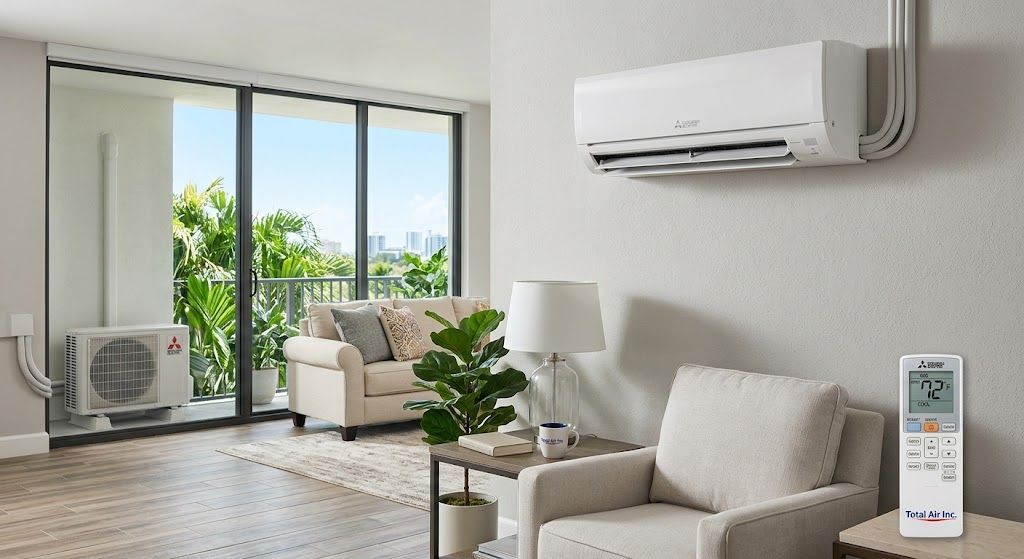
Every home has that one troublesome room that never seems to stay at a comfortable temperature. Whether it is a sunroom that turns into an oven during the summer, a newly finished basement that feels damp and chilly, or an attic conversion that central air conditioning simply cannot reach, inconsistent home heating and cooling is a frustratingly common challenge. Traditional HVAC systems rely on extensive ductwork and centralized thermostats to distribute conditioned air. While central heating and air conditioning works well for general cooling across an entire house, it often fails to resolve localized temperature imbalances.
This is where advanced ductless technology offers a targeted answer. If you have been searching for a flexible, highly energy-efficient way to control the climate in a specific area of your property, you may have come across ductless mini-split systems. Among the top industry offerings, Mitsubishi Electric stands out as a market leader. Understanding what is a single zone solution from mitsubishi helps homeowners make informed decisions about targeted indoor climate control, lower utility expenses, and improved year-round indoor comfort.
What Is a Single Zone Solution from Mitsubishi?
A single-zone ductless mini-split system manufactured by Mitsubishi Electric is a dedicated heating and cooling setup engineered to control the climate of one specific room or enclosed space. Unlike traditional split systems that rely on a network of air ducts hidden inside walls and ceilings, a ductless system delivers warm or cool air directly into the designated living area.
The fundamental design of a single-zone mini-split is simple and highly efficient. The entire setup consists of two main components connected through a small wall opening:
- One Outdoor Condenser Unit: Positioned outside the home on a concrete pad or wall bracket, the outdoor unit houses the compressor and heat exchanger. It releases heat in the summer and absorbs ambient heat from the outside air in the winter.
- One Indoor Air Handler: Mounted on an interior wall, ceiling, or floor inside the targeted space, this sleek unit delivers conditioned air directly into the room.
These two units are linked together by a conduit containing insulated refrigerant lines, power cables, and a condensate drain line. Because the system conditions only the air inside that specific enclosure, it provides precise temperature regulation without affecting the climate in other rooms.
How Does a Mitsubishi Single-Zone System Work?
To appreciate why these systems are so effective, it helps to understand the underlying heating and cooling technology. Standard central air conditioning systems operate on an "all-or-nothing" principle. When the central thermostat detects a temperature shift, the compressor kicks on at 100% capacity, pumps conditioned air through ductwork until the target temperature is met, and then shuts down completely. This frequent cycling leads to temperature swings, increased mechanical wear, and high energy consumption.
In contrast, Mitsubishi single-zone ductless mini-splits utilize advanced INVERTER-driven compressor technology. Rather than constantly turning completely on and off, the outdoor compressor adjusts its speed dynamically based on the exact thermal load of the room.
The Cooling Cycle
During warm weather, the indoor air handler draws warm, humid air out of the room. The unit's evaporator coil absorbs the thermal energy from the indoor air using refrigerant. The refrigerant carries this heat outside to the outdoor condenser, where it is released into the atmosphere. The cooled, dehumidified air is then gently redistributed into the room.
The Heating Cycle (Heat Pump Mode)
During colder months, the process reverses. Thanks to modern heat pump technology, Mitsubishi ductless units can extract thermal energy from outside air—even in below-freezing conditions—and transfer that heat indoors. Because heat pump technology transfers heat rather than generating it through electric resistance coils or burning fossil fuels, it delivers exceptional efficiency.
Key Benefits of Choosing a Single-Zone Ductless System
Investing in a targeted HVAC upgrade offers significant advantages over conventional heating and cooling methods. Here are the primary reasons homeowners choose single-zone solutions:
1. Exceptional Energy Efficiency
A major source of energy waste in traditional home heating and cooling comes from duct leakage. According to energy study data, uninsulated or leaking ductwork in attics and crawlspaces can account for up to 30% of total cooling energy loss. Because ductless systems transport thermal energy via tiny refrigerant lines rather than large air ducts, duct loss is entirely eliminated. Combined with variable-speed compressor technology, these systems significantly lower monthly electric bills.
2. Personalized Room-by-Room Comfort
Central thermostats measure temperature in only one area of the house, which often leaves secondary rooms either too hot or too cold. A single-zone setup gives you independent control over the exact microclimate of the room where the unit is installed. You set the temperature you want, when you want it, without changing the thermostat settings for the rest of the home.
3. Quick and Non-Invasive Installation
Installing new ductwork in an existing home is an expensive, messy, and invasive remodeling project that involves tearing open drywall and reducing closet space. Installing a Mitsubishi single-zone mini-split requires only a small three-inch hole in an exterior wall to run the connecting lines. Professional HVAC technicians can often complete the full installation in a single day.
4. Whispering-Quiet Operation
Older window air conditioners and noisy central air vents can disrupt sleep, conversations, or work. Mitsubishi air handlers are engineered for ultra-quiet performance, with operational sound levels dropping as low as 19 decibels—quieter than a soft whisper. The noisier mechanical component, the compressor, stays outdoors away from your living space.
5. Multi-Stage Air Filtration
Indoor air quality plays a crucial role in household health. Mitsubishi indoor units feature advanced multi-stage filtration filters that active capture airborne dust, allergens, pollen, pet dander, and bacterial particles. This continuous air filtering creates a cleaner, healthier indoor environment.
Top Applications for a Single-Zone Solution
While multi-zone systems connect multiple indoor air handlers to one outdoor unit to heat and cool an entire house, single-zone setups excel in targeted applications. Common installations include:
- Sunrooms and Enclosed Porches: Sunrooms feature large glass panels that absorb solar heat, making them uncomfortable during summer. A dedicated single-zone unit keeps the space comfortable year-round.
- Garage Conversions and Workshops: Converting a garage into a home gym, office, or workshop creates extra living space that lacks ductwork. Ductless units deliver instant climate control without taxing your main HVAC system.
- Attic or Basement Renovations: Finished basements tend to stay chilly, while converted attics trap rising heat. Single-zone mini-splits balance these extreme spaces efficiently.
- Home Additions and Master Suites: When expanding your home footprint, adding extra ductwork to your existing furnace or central AC unit may overload the primary system. A single-zone mini-split conditions the addition independently.
- Problem "Hot or Cold" Rooms: Bedrooms over garages or corner rooms with heavy sun exposure often struggle to maintain consistent temperatures. Dedicated single-zone units resolve local temperature issues permanently.
Single-Zone vs. Multi-Zone: Making the Right Choice
When exploring ductless technology, homeowners often weigh the differences between single-zone and multi-zone systems. Understanding your specific comfort goals will guide your selection.
A single-zone system is designed for one specific area, pairing one outdoor condenser directly with one indoor air handler. It is the most cost-effective choice when you only need to solve a comfort issue in a single room or addition.
A multi-zone system connects a single, larger outdoor condenser to multiple indoor air handlers located throughout different rooms in the house. This setup allows you to create customized comfort zones across your entire home. If your primary goal is to address a localized comfort problem rather than overhaul your home's entire heating and cooling infrastructure, a single-zone configuration provides a streamlined, budget-friendly installation. To explore how these setups work and discover if this technology matches your home's layout, learn more about what is a single zone solution from mitsubishi to see how targeted climate control can transform your living space.
Upgrade Your Indoor Comfort Today
Whether you want to transform an underutilized sunroom into a year-round retreat, make your home office comfortable, or eliminate persistent hot and cold spots, a Mitsubishi single-zone ductless mini-split delivers customized, energy-efficient performance. By eliminating heat loss through ducts and leveraging variable-speed heat pump technology, these compact systems offer a reliable, whisper-quiet way to take full control of your indoor environment.
Consulting with a licensed HVAC professional allows you to size the unit correctly, select the ideal mounting style, and enjoy seamless, professional installation for years of worry-free comfort.