
Guide to Mitsubishi Multi-Zone Solutions for Home Comfort
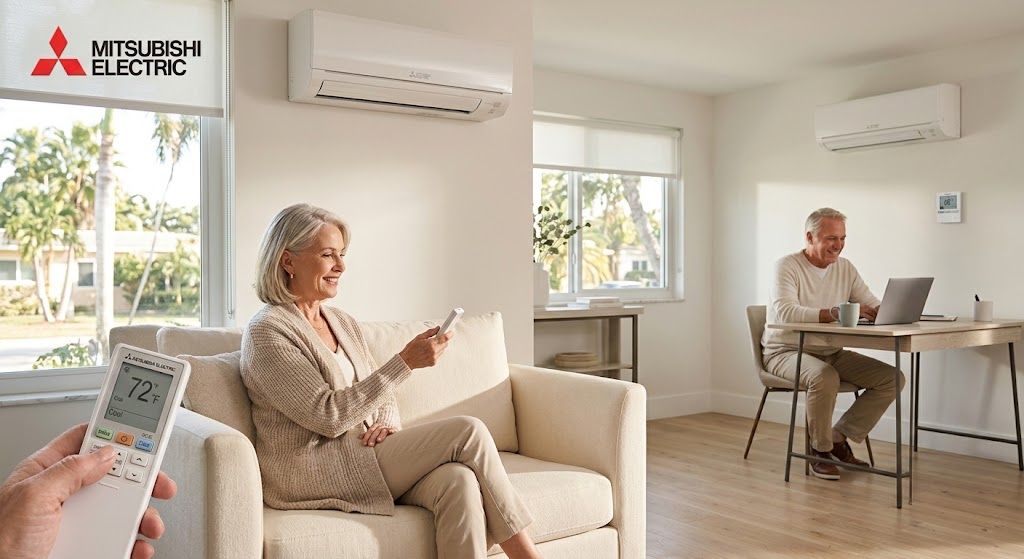
Every home has its own unique heating and cooling challenges. Perhaps your upper floor traps heat in the peak of summer, while your home office remains uncomfortably chilly during the winter months. Traditional central heating and cooling systems rely on a single thermostat to regulate temperatures across an entire house, often resulting in hot spots, cold drafts, and wasted energy in unoccupied rooms.
If you are looking for a smarter, more efficient way to control your indoor climate, modern ductless technology offers a customized path forward. Mitsubishi Electric has pioneered flexible, high-efficiency equipment designed to address these exact household imbalances. In this comprehensive guide, you will learn how multi-zone solutions work, how to plan an ideal installation, and how to maximize your energy savings year-round.
What Are Multi-Zone Solutions?
At its core, a multi-zone setup is an advanced heating and cooling configuration that allows independent temperature control in distinct areas, or "zones," throughout a home. Unlike single-zone mini-splits or traditional central HVAC units that treat your entire house as one large room, these systems connect multiple indoor units to a single, high-efficiency outdoor heat pump or condenser.
With Mitsubishi Electric systems, a single outdoor compressor can power up to eight separate indoor air handling units. Each indoor unit functions as its own climate hub equipped with a localized thermostat or wireless controller. This means family members can set their bedroom temperatures for optimal sleep without forcing the entire house to match that climate.
How the Technology Operates
Multi-zone systems leverage INVERTER-driven compressor technology. Rather than switching fully on and off like traditional compressors, an INVERTER compressor constantly adjusts its speed to maintain precise indoor temperatures.
Key operational components include:
- The Outdoor Condenser: Distributes refrigerant through small, flexible copper tubing to each indoor air handler based on real-time thermal demand.
- Indoor Air Handlers: Placed in individual rooms or open areas to circulate conditioned air directly into the space.
- Individual Zone Controllers: Wall-mounted thermostats, hand-held wireless remotes, or smart device apps that let you manage target temperatures, fan speeds, and directional airflow for each zone.
Key Advantages of Implementing Multi-Zone Solutions
Upgrading your home’s climate setup with custom zoning delivers noticeable benefits in comfort, energy efficiency, and overall aesthetics.
1. Tailored Room-by-Room Comfort
Every room in your house serves a different purpose and receives varying amounts of sunlight. A south-facing sunroom requires significantly more cooling capability than a shaded north-facing bedroom. Multi-zone solutions allow you to calibrate each space precisely, eliminating family arguments over the central thermostat.
2. High Energy Efficiency and Reduced Bills
Central HVAC systems blow air through extensive ductwork and cool rooms you might not even be using. Ductless zoning avoids the energy losses associated with leaky or uninsulated ductwork—which can account for up to 30% of energy consumption in typical systems. By turning down the cooling or heating in vacant spaces, homeowners can realize substantial utility savings.
3. Quiet Performance
Mitsubishi Electric indoor units operate at extremely low decibel levels, often as low as 19 dB—which is quieter than a whisper. Because the heavier mechanical components remain in the outdoor unit, your living and sleeping areas stay peaceful and quiet.
4. Flexible Aesthetic Options
You do not have to sacrifice interior design to enjoy custom comfort. Multi-zone air handling units come in several sleek configurations, including:
- Wall-mounted units installed high on interior walls out of direct view.
- Floor-mounted units positioned close to the baseboards, perfect for knee walls or replacement of old radiators.
- Ceiling-recessed cassettes that fit flush with the ceiling for a minimal visual footprint.
- Compact ducted units hidden above ceilings or inside closets for discreet air delivery.
Step-by-Step Guide: Planning Your Multi-Zone Installation
Designing a successful multi-zone HVAC setup requires thoughtful evaluation of your home’s layout, lifestyle needs, and structural characteristics. Follow these key steps when planning your system.
Step 1: Identify Your Comfort Zones
Start by walking through your home and mapping out distinct areas that experience varying temperature shifts. Common zoning choices include:
- Primary suites and nursery rooms requiring precise nighttime temperatures.
- Home offices with heat-generating electronics.
- Finished basements or bonus rooms over garages.
- Open-concept kitchens and living rooms where family members gather.
Step 2: Select the Right Indoor Air Handlers
Choose indoor unit styles that complement the architecture and layout of each room. For instance, a ceiling cassette works well in a newly renovated living room, while a low-profile wall unit might be ideal for a guest bedroom.
Step 3: Determine Mechanical Sizing and Capacity
HVAC technicians evaluate total cooling and heating loads measured in British Thermal Units (BTUs). Factors influencing your load calculation include window orientation, insulation quality, ceiling heights, and local weather conditions. Selecting the correct outdoor condenser capacity ensures that all indoor units operate effectively even during extreme weather conditions.
Step 4: Plan Line Set Routing
Flexible copper refrigerant lines connect the outdoor unit to each indoor handler. A professional installer routes these lines through small 3-inch openings in exterior walls, minimizing construction impact and preserving the structural integrity of your home.
Step 5: Professional Installation and Verification
Proper installation ensures peak performance and maintains manufacturer warranties. Certified HVAC professionals complete the electrical wiring, pressure-test refrigerant lines, configure control networks, and instruct homeowners on system operation.
Best Practices for Operating Your Multi-Zone System
To maximize the longevity and performance of your zoning setup, adopt these simple operational habits:
- Maintain Consistent Set Points: INVERTER technology operates most efficiently when keeping temperatures stable rather than making drastic adjustments up and down throughout the day.
- Clean Air Filters Regularly: Washable filters inside indoor units capture dust and allergens. Inspect and clean these filters every 1 to 3 months to maintain healthy airflow and high air quality.
- Utilize Smart Scheduling: Take advantage of programmable timers or smart phone integration to setback temperatures in unused zones when you are away or asleep.
- Keep Outdoor Units Clear: Ensure leaves, dirt, snow, and debris are cleared from around the outdoor condenser unit to allow unimpeded heat exchange.
Transforming Home Comfort with Total Air Inc.
Whether you are renovating an historic home without ductwork, adding an extension, or simply replacing an inefficient central system, customized ductless zoning gives you complete authority over your indoor air. Implementing modern multi-zone solutions allows you to customize climate control for every family member while cutting unnecessary power consumption.
Partnering with experienced local technicians ensures your heat pump equipment is sized correctly, installed cleanly, and configured to deliver decades of reliable service. Contact your local HVAC professionals today to evaluate your home's layout and create a tailored climate system for every room in your house.