How Attic Insulation Slashes Power Bills
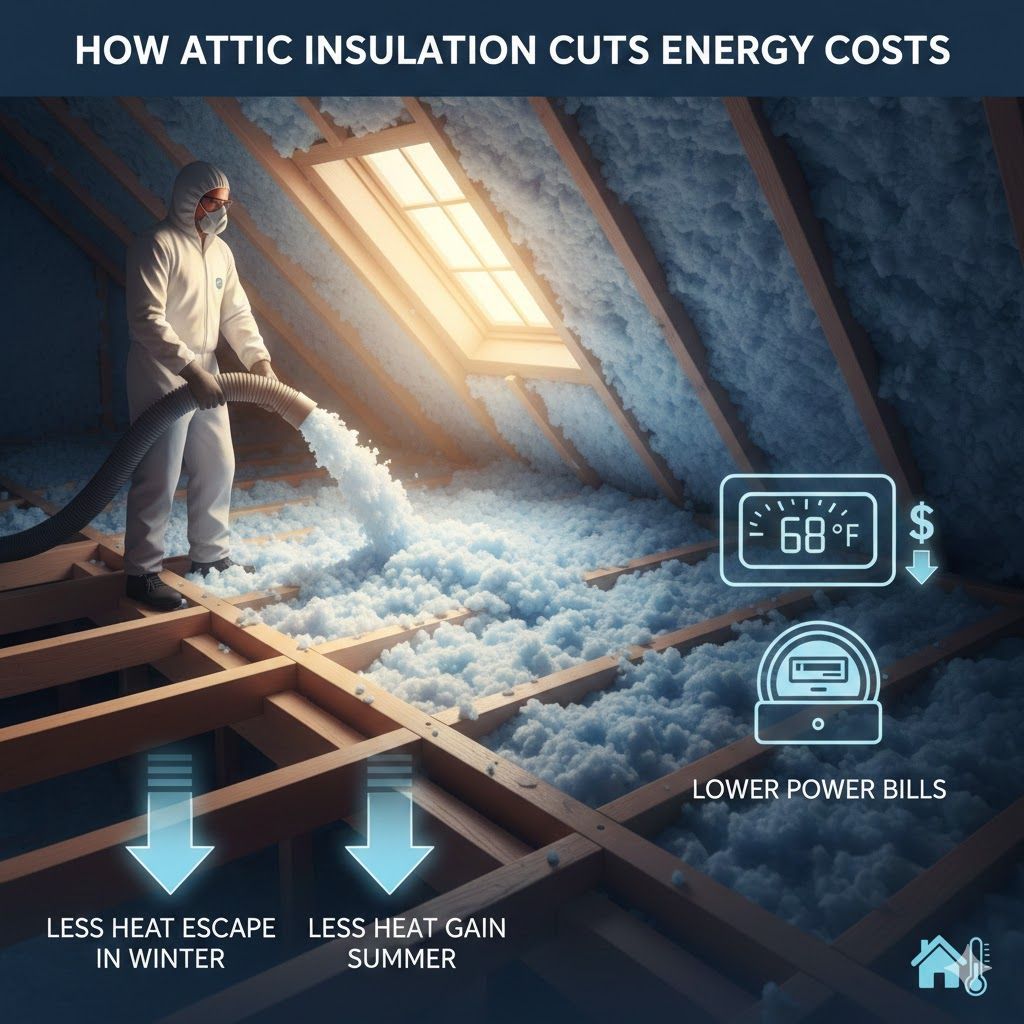
Attic insulation is one of the most cost‑effective ways to cut heating and cooling costs because it slows the movement of heat between your home and the outdoors, which means your HVAC system runs less and uses less power. When sized and installed correctly, attic insulation can trim typical heating and cooling bills by around 10–20%, depending on the home, climate, and existing insulation levels.
Below is an SEO‑optimized article centered on the keyword attic insulation and how it slashes power bills.
Why Attic Insulation Matters
Attic insulation creates a thermal barrier between your conditioned living space and the unconditioned attic above. In summer, it slows the intense heat that builds up under the roof from radiating into your home, and in winter it keeps expensive warmth from escaping through the ceiling.
Because heating and cooling typically make up about half of a home’s energy use, improving attic insulation has an outsized impact on power bills. Energy‑efficiency agencies estimate that upgrading insulation and sealing air leaks can save many households roughly 10–20% on heating and cooling costs, and around 10–15% on total energy costs.
How Attic Insulation Slashes Power Bills
The basic job of attic insulation is to resist heat flow. Heat naturally moves from warm areas to cooler ones, so in winter it wants to rise through the ceiling and escape into the attic, and in summer the hot attic air wants to push heat down into cooler rooms below.
When attic insulation has the correct R‑value for your climate and is evenly installed, it slows that heat transfer in both directions. With less unwanted heat gain and heat loss, your air conditioner, heat pump, or furnace does not have to cycle on as often or run as long to maintain a comfortable temperature, which directly lowers how much electricity or fuel you use each month.
Air sealing also works hand‑in‑hand with attic insulation to multiply savings. Gaps around light fixtures, attic hatches, plumbing penetrations, and top‑plate joints allow conditioned air to leak out and unconditioned air to leak in, forcing your HVAC system to work overtime; sealing those leaks before adding or upgrading attic insulation helps reach that 10–20% potential reduction in heating and cooling costs.
Realistic Energy Savings From Attic Insulation
Every home is different, but national energy‑efficiency programs consistently show strong savings from better insulation. Studies and modeling used by agencies such as ENERGY STAR and the U.S. Department of Energy indicate that improving insulation and sealing in attics and other key areas can shave around 15% off heating and cooling bills and about 11% off total energy bills for a typical house.
Those percentages often translate into hundreds of dollars per year in many climates. Some industry analyses even note that adding attic insulation can deliver an excellent return on investment, with one remodeling report finding that a fiberglass attic insulation upgrade recouped more than 100% of its cost in increased home value alone, before counting energy savings.
Homeowners can roughly estimate what attic insulation might save by multiplying their average monthly energy bill by 0.10–0.20 to get a potential monthly reduction once the attic reaches recommended insulation levels and major air leaks are sealed. While actual results vary with occupant behavior, thermostat settings, and local utility rates, these benchmarks show why attic insulation is considered a high‑impact energy upgrade.
Types of Attic Insulation and Their Impact
There are several common types of attic insulation, and each can help cut power bills when properly installed to the right depth and density. The most widely used options include:
Loose‑fill or blown‑in fiberglass and cellulose, which are ideal for filling irregular spaces and covering existing insulation to reach higher R‑values.
Fiberglass batts or rolls, which offer predictable R‑values per inch and are often used between joists in open attic floors.
Spray foam insulation, which combines insulation with air sealing and is often used in more complex projects or to create a conditioned attic.
For energy savings, the key is not just the material but the total R‑value and the quality of the installation. Gaps, voids, compressed batts, or uneven coverage can create thermal weak spots that let heat leak through and erode the potential power‑bill reductions that attic insulation can deliver.
Comfort, Air Quality, and Equipment Benefits
While lower power bills are the headline benefit of attic insulation, homeowners also notice day‑to‑day comfort improvements. With a well‑insulated attic, rooms under the roof tend to feel less “baked” in summer and less drafty or cold in winter, resulting in more consistent temperatures from room to room.
Proper attic insulation and sealing can also help control humidity and reduce condensation, which lowers the risk of mold, mildew, and moisture damage in ceilings and attic structures. Because the HVAC system runs fewer and shorter cycles when the home holds conditioned air more effectively, major equipment like air conditioners, heat pumps, and furnaces experience less wear and may last longer with fewer breakdowns.
Signs Your Attic Insulation Needs an Upgrade
Many homes are under‑insulated, which means they are losing money through the roof every month. Common signs that attic insulation may be insufficient include:
Uneven temperatures between floors or rooms, especially hot upper rooms in summer and chilly ceilings in winter.
High or steadily rising power bills even when your HVAC equipment is relatively new and maintained.
Visible joists when you look across the attic floor, or a very shallow layer of existing insulation that sits below recommended depths for your region.
Drafts or noticeable temperature changes around ceiling fixtures, attic hatches, and access doors, which can signal air leaks into the attic.
If any of these issues are present, an attic inspection and insulation assessment can reveal how much additional insulation is needed and where air sealing could provide the biggest gains.
Choosing the Right Attic Insulation Strategy
Designing an effective attic insulation strategy starts with understanding how the attic is currently configured and how you want it to function. In a typical vented attic with insulation on the floor, the goal is to create a continuous thermal blanket over the entire ceiling area while keeping ventilation paths at the eaves and ridge clear to manage moisture and attic temperatures.
In some projects, homeowners opt for insulating along the roof deck with spray foam to create an unvented, conditioned attic, which can be helpful when mechanical equipment or ductwork must stay in that space. This approach can significantly reduce duct losses and air leaks but must be designed to meet local codes and moisture‑control best practices.
No matter the approach, combining proper attic insulation levels with detailed air sealing around penetrations and access points is crucial to achieving the energy savings that can substantially lower power bills.
Attic Insulation as a Long‑Term Investment
Attic insulation is often described as an upgrade that “pays for itself,” and in many cases that description holds up over time. Between direct reductions in monthly power bills, potential incentives or rebates in some regions, and documented increases in home resale value, improved attic insulation behaves more like an investment than a simple expense.
Because the materials keep working year after year, homeowners continue to benefit from lower heating and cooling costs, greater comfort, and reduced strain on HVAC equipment long after the initial project is complete. For households trying to cut energy use, improve comfort, and rein in high bills, focusing on attic insulation is one of the smartest first steps.